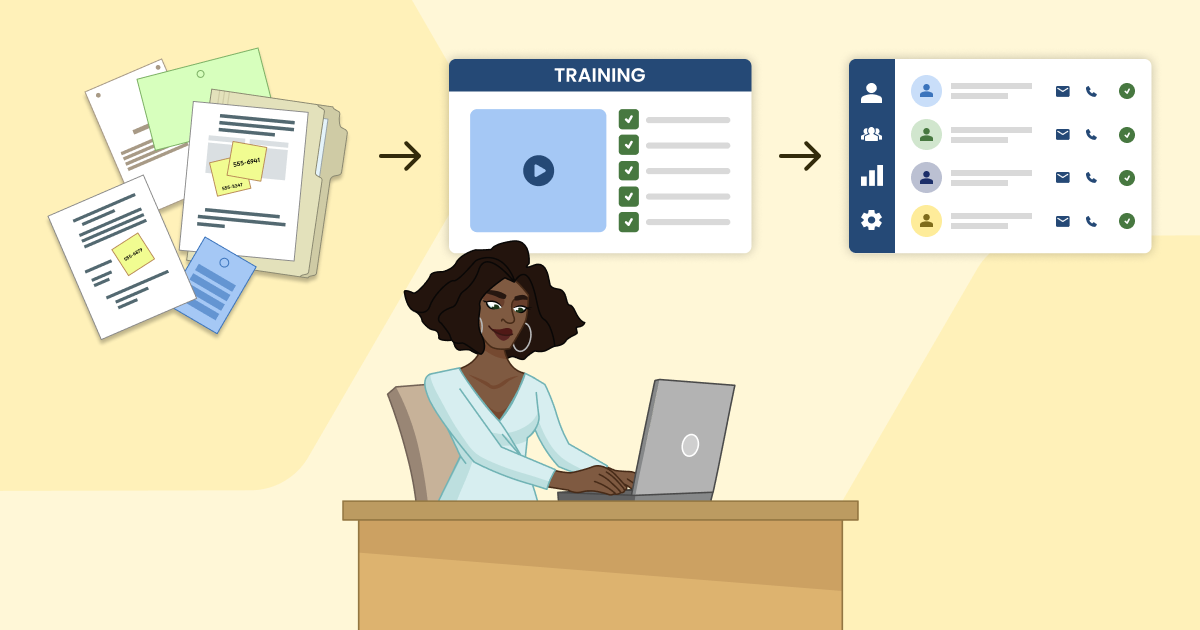
Learn how to create just-in-time training that gives library and nonprofit staff and volunteers clear guidance exactly when they need it.
Imagine you are learning how to drive. You sit in a classroom while an instructor explains all the traffic laws, ways of the road, and how to operate a vehicle. The training ends with a written test. You are able to recall most of what you just heard and pass without a problem.
A week later, you sit behind the wheel for the first time. How much of the training are you likely to remember at this point? How confident would you feel?
There’s a reason driver’s education usually includes riding in a car with an instructor. It’s important to have someone there to share key reminders so you don’t crash!
Whether you’re learning to drive, following a new recipe, or using unfamiliar technology, this kind of just-in-time support provides crucial information when you need it so you can keep moving forward.
The ability to learn while completing a task makes this training approach especially useful for libraries and nonprofits. And unless you’re a driving instructor, you don’t have to sit next to someone to provide it!
In this article, we’ll look at what just-in-time training is, why it works, and how to create it.
What Is Just-in-Time Training?
Training Industry explains how just-in-time training is an “approach that provides training materials and resources at the exact moment learners need them” and how it is meant to “improve training efficiency and effectiveness by addressing specific knowledge or skills gaps as they arise rather than anticipating gaps and providing training in advance.”
Most of us are accustomed to getting answers quickly. A few taps on your phone will bring up a video, article, or an AI-generated overview on just about any topic. The information isn’t always accurate, but its immediacy sets the expectation of getting help when you need it.
This expectation carries over to the workplace, but information may not be as readily available. Staff and volunteers may not know where to look or have easy access to resources.
Just-in-time training addresses these issues. And when it’s done well, it does even more. In addition to providing timely information, it:
- Helps you avoid overwhelming learners
- Provides context to support learning retention
- Aids effective in-the-moment decision-making
Let’s take a closer look at some of its advantages.
Why Is Just-in-Time Training Effective?
Here are some of the ways this training approach makes a difference.
- Work continues to progress. When people can find the information they need, they’re less likely to stop a task and wait for someone else to help. Clear instructions can reduce delays, repeated questions, and avoidable mistakes.
- Learners have more control. Adults generally prefer to choose what they learn and when they learn it. Just-in-time training lets them access what they need and skip what they already know.
- Information and skills tend to stick. Learners can immediately apply training content to their work, making it more relevant and memorable.
- Content is easier to update and scale. Because just-in-time training involves distinct, concise pieces of information, you don’t have to overhaul an entire workshop or program to make changes.
- It saves time and money. The just-in-time approach eliminates traditional training expenses, like speakers, travel, and room rentals. It also causes less disruption because people can learn while they work. And from a trainer’s perspective, it’s easier to create small, useful pieces of content compared to an hours-long training session.
3 Just-in-Time Training Use Cases
The just-in-time approach can be useful in a lot of different situations. Here are three common options for libraries and nonprofit organizations:
1. Onboarding Staff and Volunteers
Unless it’s managed carefully, onboarding can quickly overwhelm new staff and volunteers. Many programs try to deliver every possible piece of information a person might need, often well in advance of when learners are likely to apply the training.
This approach can be exhausting and ineffective. Most people will remember only a small percentage of the information thrown at them.
Just-in-time training not only allows you to break down information into manageable, timely segments, it also makes it easier for new staff and volunteers to quickly review content in the moment. This way, they can move forward confidently while they are still memorizing key information.
For example, a simple checklist could help a new volunteer sign in for their shift and record their hours correctly without assistance.
2. Cross-Training
Cross-training is especially important for small or resource-strapped organizations. It provides greater flexibility and resilience because people can step in where they are needed.
However, learners don’t usually need to know everything about a position they may cover temporarily—especially if it’s a task-based role. They just need to know what to do in the moment to get the job done.
So, instead of making them sit through formal training, think about what kind of just-in-time resources would help them get to work.
If someone needs to cover the front desk, you might provide a script for answering the phone, taking messages, and directing calls so the person can maintain service standards more easily.
3. Frontline Service
Quality service comes down to being able to meet people’s needs and answer their questions quickly. And sometimes this is easier said than done. Even in small organizations, staff and volunteers can struggle to stay up to date on all the latest programs, policies, and procedures.
Just-in-time training can fill gaps without disrupting service.
Imagine a volunteer selling tickets for an annual fundraiser, with a line out the door of people waiting to pay. A step-by-step guide for using the point-of-sale system can help ensure the process goes smoothly, no matter who is working the ticket table.

What Are Common Types of Just-In-Time Training Formats?
You can deliver just-in-time training in a number of ways, including:
- Checklists
- Step-by-step workflows
- Decision guides (if this, then that)
- Scripts and message templates
- Examples of what quality looks like
- Short online tutorials
- Quick-reference guides
- Job aids
- Frequently asked questions
- Short video demonstrations
Like any type of training, the key is to choose the format that works best for the content—conveying relevant information as quickly and easily as possible.
People should be able to skim the resource rather than study it closely. The goal is to help them complete a task or make a decision, not to provide every detail related to the topic.
For example, a decision guide for answering service questions would make more sense than a checklist because it quickly directs users to relevant information.
How to Create Just-In-Time Training in 5 Steps
To develop just-in-time training, you can follow the same basic steps for planning any training program. But here are a few key steps to focus on:
- Identify where just-in-time training would make a difference. Look for pain points like slow service, confusion, mistakes, or repeated questions. Where could quick reference material help staff or volunteers? Ask people what kind of support would be useful.
- Prioritize and plan. You can’t do everything at once. So, start with a topic that will have the greatest impact. Then, think about what you’ll need in order to create the training. What information is required? Should you conduct research or connect with a subject matter expert to ensure accuracy? Can you adapt or repurpose existing content? Map out what kind of support the training will provide and how and when learners will access it.
- Create the training material. Follow the plan you developed in step two, matching the format to the task and delivery method. You might need to convert an existing slide deck to a simple checklist for easy reference, or decide where to share a link to a ready-made tutorial. The point is to ensure people can get accurate guidance quickly and easily, right when they need it.
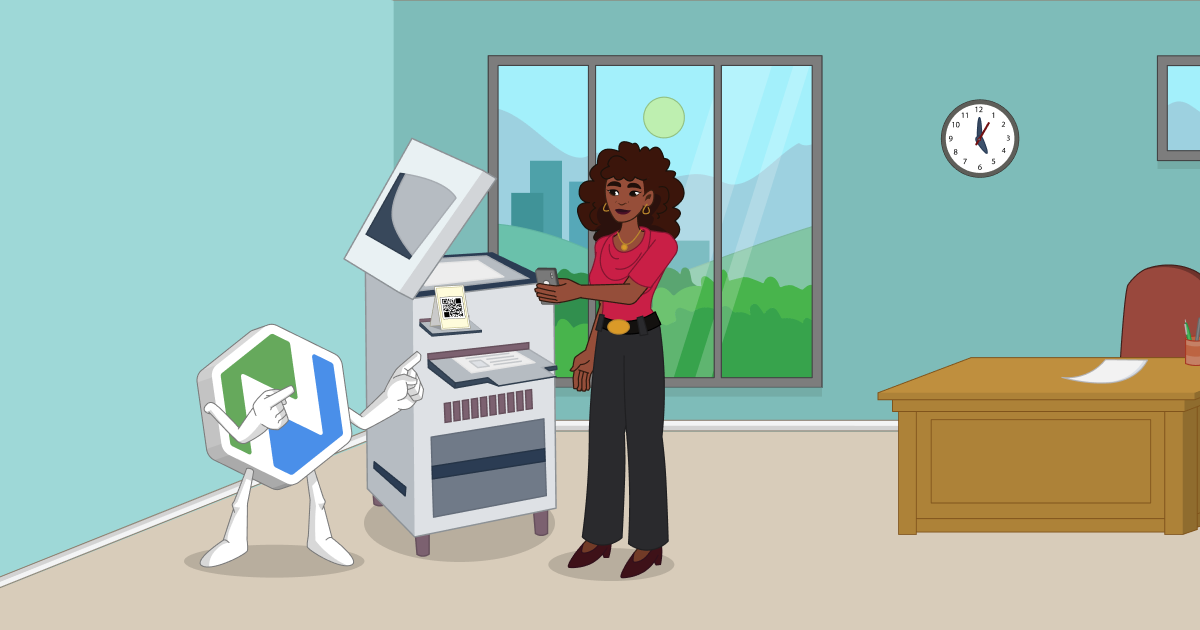
- Share the training. Let people know the training is available and where to find it. But also make it easy to discover, so you don’t have to rely on people remembering what you’ve told them. The ideal access point should be right where they are likely to need guidance, such as a QR code placed on a piece of equipment that leads people to a quick tutorial on how to use it.
- Track usage and effectiveness. Online delivery methods make it easier to see how often people access just-in-time training content. But you can also use surveys to collect feedback and gauge how well training is working. Reviewing this information will help you improve the training over time.

How to Make Just-in-Time Training Successful
A solid plan goes a long way, but two additional factors can have a big impact on the success of just-in-time training at your organization.
1. Build a Culture of Learning
eLearning Industry claims, “Just-in-time learning works best in workplaces where learning happens every day, not just in workshops or online courses.” People need to feel comfortable looking for guidance, asking questions, and reviewing information they’ve seen before. They also need permission and time to use training resources during their work.
When learning becomes part of everyday activities, people are more likely to use the support you provide.
You can encourage a culture of learning by consistently sharing resources, recognizing improvement, and treating questions as opportunities to learn rather than signs of failure.
2. Create a Central Place to Organize Information
Having one place to upload, create, share, and track training makes it much easier for you to manage just-in-time training and determine its effectiveness. Additionally, the ideal platform lets you give learners:
- Quick access to accurate, up-to-date content
- Well-organized, right-sized information
- Preferred format options, including text, video, and audio
- The ability to skip what they already know or don’t need
It can also help you see which resources people use and whether they have completed training.
When you pair a good training plan with the right platform, the learning experience is better for everyone.
Start With One Training Need
Just-in-time training provides guidance and support right when it’s needed so staff and volunteers can keep moving forward.
You don’t have to create an entire library of resources at once. Start with one task that regularly causes confusion, delays, or mistakes. Then create a focused resource and place it where people can easily find it.
Use our worksheet to identify where just-in-time training could have the greatest impact in your organization.

.png)
.png)

.png)

.png)

.png)
.png)

.png)