How to Train Volunteers to Be Top Fundraising Ambassadors
Volunteers can do more than assist with events and programming. Learn how to transform your volunteers into top fundraising ambassadors for your nonprofit.
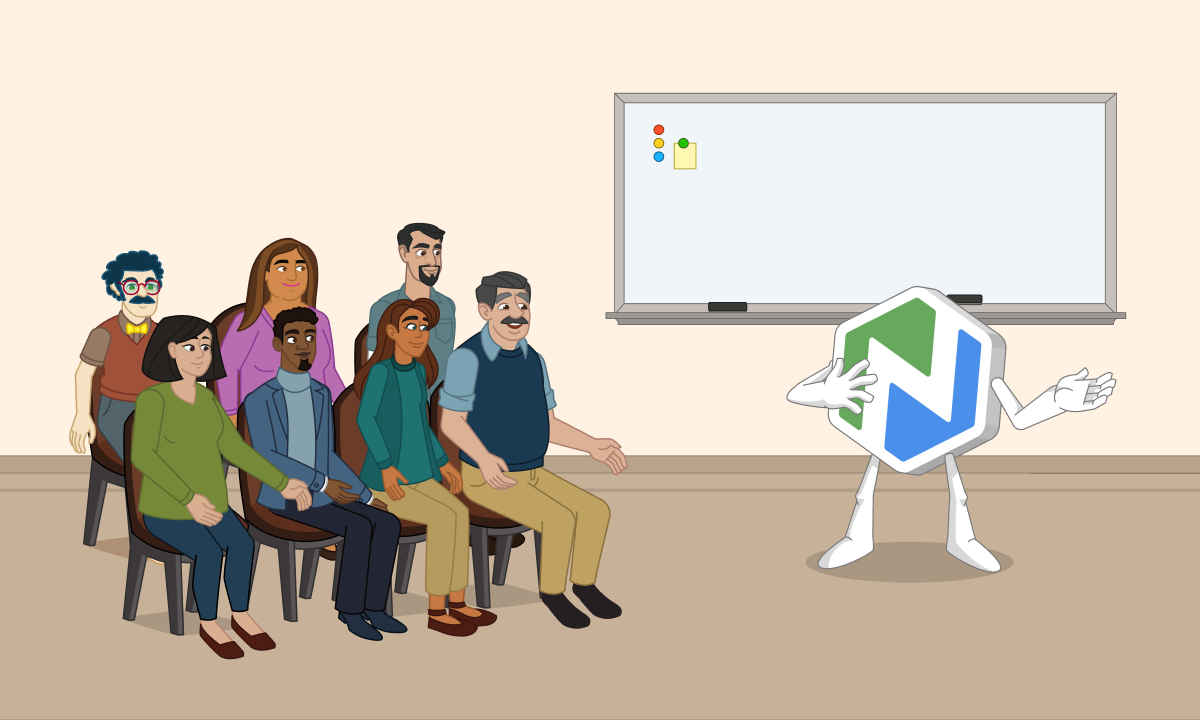
Imagine you’re starting a fundraising ambassador program. You’re excited about ambassadors raising awareness for your cause, building meaningful relationships, and helping you earn more. However, you’re not sure where to recruit these new team members.
You don’t have to look far to staff your program. Your top fundraising ambassadors will be individuals who have already demonstrated a commitment to your cause—such as your volunteers.
While some volunteers may be wary of taking on this new role, you can prepare them with proper training. In this guide, we’ll explore tips for turning your volunteers into top fundraising ambassadors.
1. Ask them to record their origin story with your organization
The primary purpose of a fundraising ambassador program is not only to raise money but also to build connections within your community. To truly move people and make them care about your cause, you need to leverage storytelling.
Each volunteer has their own personal experience with your organization. Prompt them to record their stories of how they found and started supporting your nonprofit. Their story will be their “why” in conversations with prospective donors—the reason they connected with your organization that can inspire others to do the same.
You can ask volunteers questions to get them thinking about their experiences, such as:
-
How did you find our nonprofit?
-
What is a specific moment in your time as a volunteer that sticks out to you?
-
What does our mission mean to you?
For example, a volunteer might make a short video explaining how they found your food bank through a peer-to-peer fundraising campaign. A close friend of theirs was fundraising on behalf of your nonprofit, and they decided to donate. After looking more closely into your organization, they found that your work resonated with them, and signed up to volunteer. Since then, they’ve helped provide meals for hundreds of families in the community, making them proud to be part of your organization.
2. Help them develop an elevator pitch
Representing a nonprofit can be nerve-racking, especially when people ask you questions on the spot. Give volunteers a simple framework to organize their thoughts. An elevator pitch—or a summary of your organization’s value proposition—can help them present your nonprofit clearly and confidently.
Instruct volunteers to use the following format for a compelling, cohesive pitch:
-
Problem. What is the problem your organization is trying to solve?
-
Solution. What services or resources does your nonprofit provide (with the help of volunteers) to solve this problem?
-
Impact. How does your organization’s work impact the community?
An elevator pitch for a local museum might look something like this:
For years, there was no place within a 25-mile radius for kids and adults to learn about natural history. That’s why the Pittstown Museum of Natural History is so important. It’s a cultural center of our community where people of all ages can learn about biology, geology, and environmental science. I’m proud to help the museum fulfill its mission by leading children’s programming.
3. Teach them how to make soft asks
Volunteers will likely feel relieved knowing they don’t have to collect funds every time they interact with a prospect. Instead, they should open the door for donations by first introducing prospects to all your nonprofit has to offer.
To help volunteers connect with prospective supporters, provide a list of “soft asks,” or nonmonetary requests that allow people to learn more about your organization and get involved without donating. Common soft asks revolve around:
-
Facility tours. Have ambassadors invite prospects to tour your facility so they can see where your mission-critical work happens and learn more about your organization.
-
Events. Educational events allow prospects to dive deeper into topics adjacent to your cause and see if they have any interest in those areas.
-
Content. A short video clip or blog post can help prospects learn more about your programming and beneficiaries.
Volunteers should try to tailor these soft asks to prospects’ interests as much as possible. For example, if a prospect mentions they’re particularly interested in a certain program, an ambassador may invite them to a facility tour focused on where that program takes place or send them a video your nonprofit recently made recapping that program’s impact from the past year.
4. Prepare them to face rejection
It’s only natural that your fundraising ambassadors will make an ask and face rejection. Reframe your volunteers’ mindset so that, instead of viewing rejection as a paralyzing situation, they see it as an opportunity to gather useful data and learn from the experience.
Instead of simply recording that a prospect rejected the ask, it’s more helpful for a volunteer to continue a conversation and note in your nonprofit CRM that the prospect is interested in becoming a volunteer first and will reconsider financial support later on.
Remind your volunteers to think from a prospect’s perspective. As Bloomerang’s major donor guide explains:
-
If someone is encountering you for the first time, they may need to learn more about you.
-
If you ask someone for a significant giving increase, they may want clarity on what their dollars will fund.
-
If the gift is a stretch, they may need to consider it within the context of other financial obligations.
Instead of shutting down or acting hostile, volunteers should listen closely, validate prospects’ responses, and pinpoint appropriate next actions. Roleplay with your volunteers so they can practice handling rejection, redirecting the conversation to take the pressure off the ask, and developing a path where the prospect can move forward with your organization, even if they don’t contribute right away.
5. Equip them with a digital toolkit
Often, the best place to expand your reach is online. Help volunteers boost your online presence with the right tools and messaging to represent your organization. This toolkit may include elements like:
-
Photos. Provide photos of your volunteers in action for them to download and share with prospects.
-
Social media captions. Create a list of short, informative, interactive social media captions that volunteers can easily share to boost engagement.
-
Email templates. Develop templates that volunteers can use to email prospects depending on their interests or pipeline stage.
Additionally, teach your volunteers about the importance of digital accessibility, which involves making online content easy for anyone to interpret and interact with, including those with disabilities. You might explain how alternative text helps users who are visually impaired understand visual content, and show how to use it effectively across different platforms.
You can go beyond simply managing volunteers by transforming them into fundraising ambassadors who can build strong connections with prospects and expand your community. Feature fundraising ambassadors prominently on your website and social media so prospects can reach out to the ambassador they feel most connected to and start exploring all your organization has to offer.
.png)
.png)
.png)
.png)
.png)
.png)
.png)
.png)

.png)