
In-Person vs. Online Training: How to Choose the Best Format
Explore the pros and cons of different training formats, then use our free spreadsheet to figure out what’s right for your team.
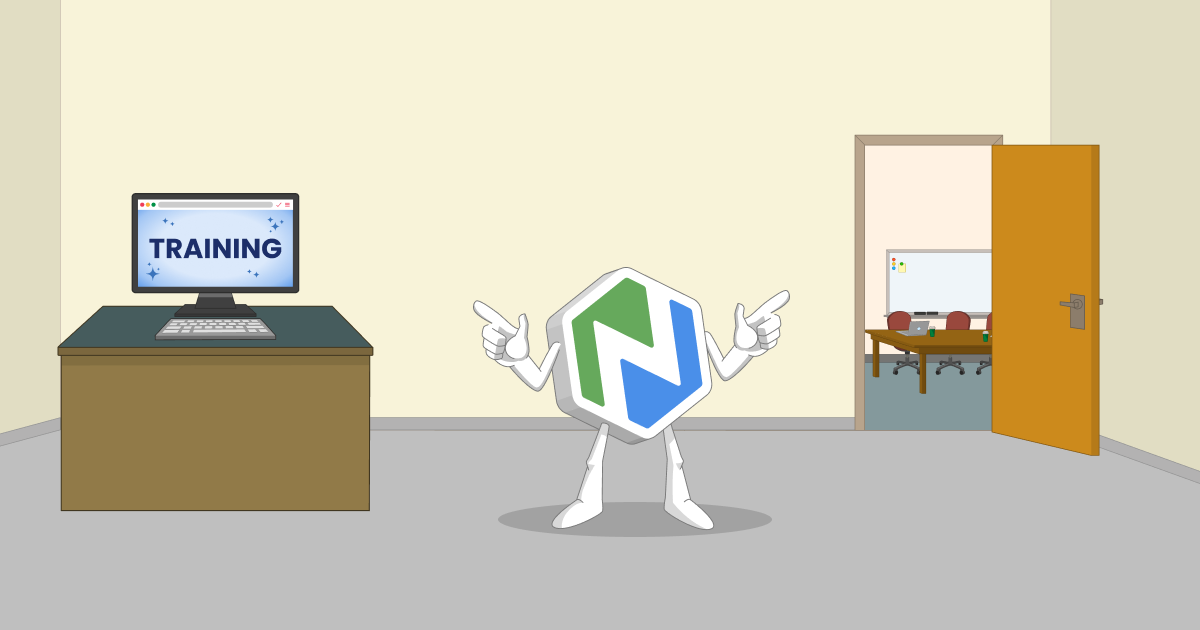
If training others is part of your job, figuring out the best way to deliver content can be tricky. You’re weighing cost, scheduling, and where people work—plus how to make learning stick. Training also affects more than day-to-day performance. Some potential employees may not even consider an organization that doesn’t offer training opportunities.
So how do you decide? In this article, we’ll break down the differences between in-person and online training, the pros and cons of each, when a blended approach makes sense, and what to look for in an online training platform so you can choose what fits your organization.
In This Article (Jump to a Section)
- In-Person vs. Online Training
- Pros and Cons of In-Person Training
- Pros and Cons of Online Training
- In-Person vs. Online Side-by-Side Comparison
- How to Choose the Best Training Format
- Blended Learning in Practice
- What to Look for in an Online Training Platform (Learning Management System)
- Putting It All Together
In-Person vs. Online Training
Most workplace training falls into two delivery formats: in-person (everyone together in the same room) and online (delivered through a digital platform). Online training can be live or on-demand, which matters when you’re deciding what will work best for your team.
In-Person Training
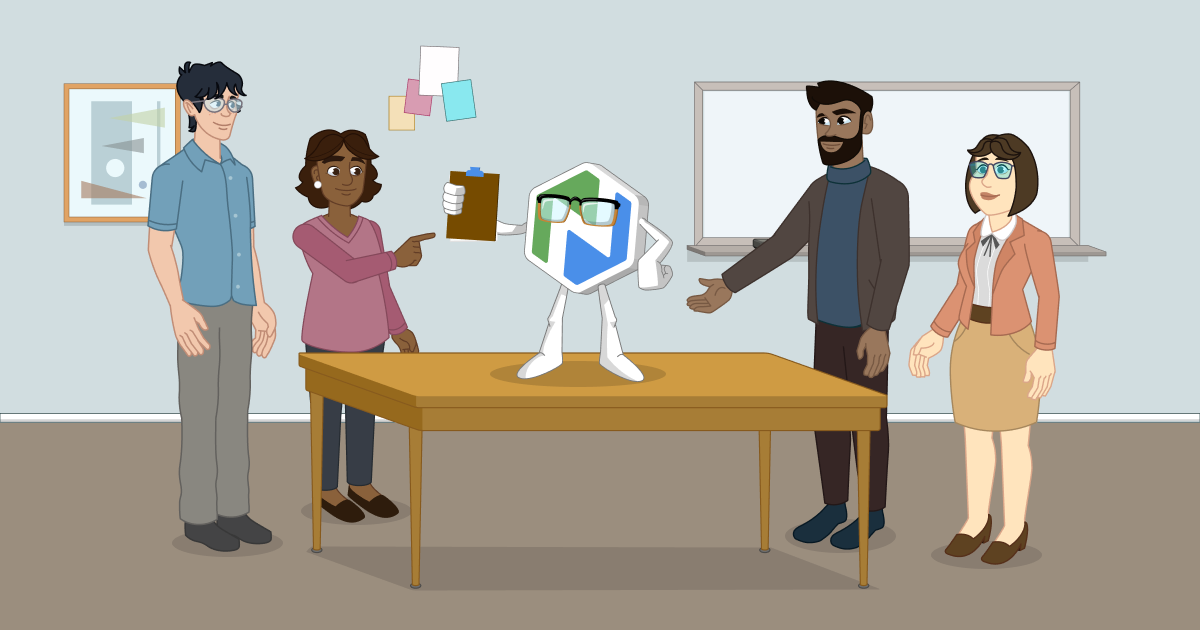
In-person training happens when a trainer and learners meet in the same physical space at the same time.
- Live instructor, real-time discussion, and immediate Q&A
- Fixed location and scheduled session
- Easier to read the room and adjust on the fly
Note: Some people refer to live virtual sessions as “in-person training,” but in this article we treat those as synchronous online training.
Online Training
Online training takes place on a digital platform. It can be live, or learners can complete it on their own time.
- Synchronous: live, everyone attends at the same time (for example, a webinar or live Zoom session)
- Asynchronous: on-demand, learners complete it when it fits their schedule (for example, short recorded tutorials)
- Learners can participate from anywhere, and training can be reused and scaled
Note: In this article, when we say "online training," we usually mean asynchronous online training.
Pros and Cons of In-Person Training
In-person training works best when people need to practice skills in real time—especially if the work is hands-on, sensitive, or high-stakes. It can also be a great way to build connection quickly when you’re training across locations, departments, or roles.
In a HubSpot article, Kayla Schilthuis-Ihrig explains: “Face-to-face training sessions provide human contact and stimulation that can’t easily be replicated online, and there’s a spark that happens when you’re alongside other learners…”
The Pros
- Direct interaction. Learners can ask questions in the moment, learn from each other, and build connections while they practice.
- Real-time adjustment. A good facilitator can slow down, re-explain, or change the activity when people look stuck—or move faster when they’re already confident.
- Immediate feedback. In-person training makes it easier to coach, reinforce what’s going well, and correct small mistakes before they become habits.
- Built-in structure. With fewer interruptions, learners often stay more engaged—especially during hands-on work.
The Cons
- Higher total cost. Trainer fees, travel, space, food, and staff time add up quickly—especially if you need to repeat sessions.
- Limited reach. If you have multiple branches, rotating volunteers, or varying shifts, training everyone in person can take multiple rounds.
- Harder to schedule. Coordinating calendars is tough, and it’s even tougher when trainer availability is limited.
- Inconsistency across sessions. Even with a shared curriculum, delivery can vary by trainer, day, and group—which can affect how consistently people apply what they learned.
Best for: In-person training works best when the outcome depends on live practice (role-playing, coaching, high-stakes conversations) or when you need to build cohesion quickly.
Tip: Pair in-person sessions with a short follow-up tutorial or checklist so learners can revisit the key steps later.
Pros and Cons of Online Training
Online training can be a great fit when you need flexibility, consistency, and an approach that scales across teams. It works best when you design it intentionally so learners stay engaged and supported.
Note: In this section, when we say "online training," we primarily mean asynchronous online training (on-demand learning completed over time).
The Pros
- Flexible access. Learners can complete training from anywhere, and asynchronous training lets them fit it around shifts, desks, and busy weeks.
- Self-paced learning. People can move quickly through familiar material, slow down when something is new, and revisit key steps later. As Benjamin Hunter notes in an eLearning Industry article, shorter, targeted lessons can support focus and reduce overload.
- Lower coordination costs. You can avoid many in-person expenses (travel, space, food), and you don’t need to pull everyone into the same room at the same time.
Scales across teams. Once training is built, you can assign it to new hires, cross-train staff, and support branch or program growth without repeating live sessions. - Supports different learning preferences. Well-designed online training can combine audio, video, and text, which helps learners choose what works best for them.
- Consistent delivery. Everyone receives the same message in the same way—especially helpful for policies, procedures, and sensitive topics where consistency matters.
- Easy to track and report. Most online training platforms let you see completion, progress, and assessment results so you can spot trends and improve your training over time.
- Reusable refreshers. On-demand training supports “just-in-time” learning—quick refreshers when someone needs help with a task they don’t do every day. As eLearning Industry’s Chris Pappas points out, online training can help learners address challenges in the moment.
The Cons
Online training has real advantages, but it comes with a few common challenges.
- Less built-in connection. Online learning doesn’t create spontaneous conversation or networking by default. If you want interaction, you have to design it in (discussion prompts, peer practice, live office hours, etc.).
- Less immediate feedback. Without a trainer in the room, learners may feel stuck. Strong online training includes guidance, clear expectations, and a path to help when learners need it.
- Tech friction. If the platform is clunky—or learners aren’t comfortable with online tools—training starts with frustration instead of curiosity.
- More distractions. Flexibility can mean competing priorities: email, Slack, clients, coworkers, kids, and the little “pings” that steal attention.
- Good training takes time to design. Converting a workshop into a long slideshow might be “online,” but it won’t be effective. Online training works best when it’s organized, engaging, and built with strong instructional design.
Best for: Online training works best when you need flexibility, consistency, and a scalable way to onboard and upskill people across roles, branches, or schedules.
Tip: If you’re worried about engagement, pair online tutorials with a live touchpoint (Q&A, practice session, or discussion thread). That’s often where a blended approach works best.
In-Person vs. Online Side-by-Side Comparison
Here’s a quick snapshot. (In this table, online refers mostly to asynchronous training.)
| Category | In-Person | Online (mostly asynchronous) |
|---|---|---|
| Cost | Higher (space, travel, staff time) | Often lower ongoing costs |
| Time & Place | Fixed time/location | Anytime, anywhere |
| Familiarity / Tech | Familiar for many learners | Depends on platform and support |
| Pace | Instructor-led | Self-paced |
| Interaction | Built in | Must be designed in |
| Feedback | Immediate coaching | Built-in guidance; slower support |
| Scalability | Hard to repeat widely | Easy to scale and reuse |
| Consistency | Can vary by session | Same experience for everyone |
| Tracking & Reporting | Harder without tools | Built-in reporting |
| Best For | Live practice and team alignment | Onboarding, refreshers, and distributed teams |
How to Choose the Best Training Format
If you’re deciding between in-person and online training, the comparison table can help—but it’s better practice to start with your goal.
Here’s the simplest way to think about it:
- Choose In-Person when you need connection and live practice (role-playing, coaching, hands-on skills).
- Choose Online when you need flexibility, scale, and consistent delivery across teams, branches, or schedules.
- Choose Blended when you need both—online tutorials for the foundation, plus live touchpoints for practice and discussion.
The best choice depends on your needs and goals.
Quick Decision Checklist
- Learning goal. Is this mostly knowledge (policies, systems, procedures) or skill practice (difficult conversations, coaching, hands-on tasks)?
- Team setup. Are learners together in one place, spread across branches, or working different shifts?
- Time and disruption. Can you schedule live sessions without disrupting service hours or pulling coverage from the floor?
- Budget. Do you have funds for travel and space—or do you need a lower-cost approach you can reuse?
- Tech comfort and platform fit. Will learners have a simple, intuitive way to access online training (and get help if they’re stuck)?
- Tracking needs. Do you need completion data, reporting, or proof of learning for compliance or leadership?
If you’re still torn after answering these questions, that’s usually a sign that a blended approach will work best.
Looking for a little extra help? Download our free decision spreadsheet to see how each factor points toward in-person, online, or blended training.
Blended Learning in Practice
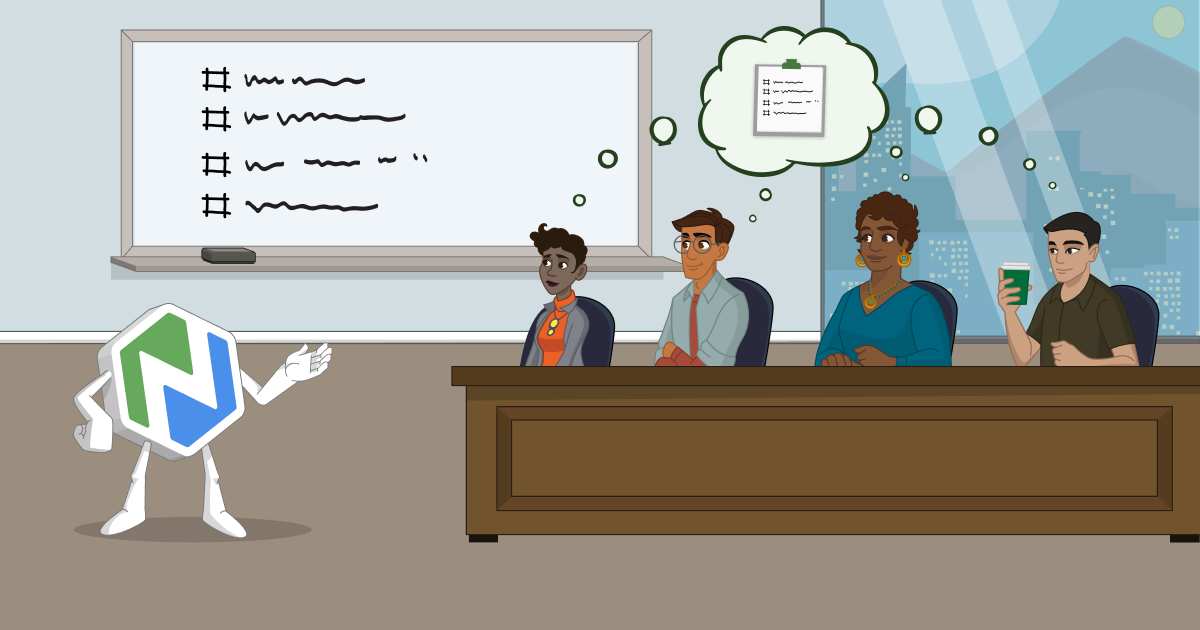
Blended learning (sometimes called hybrid learning) combines online training and in-person learning in a planned way. Most often, online tutorials cover the foundation, and live sessions are reserved for practice, discussion, and feedback.
What Blended Learning Looks Like at Work
- Online for the basics. Policies, procedures, systems training, and other repeatable information.
- In-Person for the application. Role-playing, coaching, scenario practice, hands-on tasks, and team alignment.
Three Ways to Blend In-Person and Online Training
- Online foundation, then live practice. Assign tutorials first, then use the live session for questions, practice, and feedback.
- Live kickoff, then online reinforcement. Start with a short in-person session to set expectations, then follow up with tutorials, checklists, and refreshers.
- Short tutorials plus live support. Use a series of short, focused tutorials and offer optional office hours or scheduled Q&A for anyone who wants extra help.
Ultimately, what you choose should reflect your organization's needs and your team's realities (branches, shifts, remote staff, rotating volunteers, and limited time).
What the Research Suggests
In an eLearning Industry article, Elysia McCann notes that “Blended learning is a broad concept; different organizations should implement it differently.” She also cites research showing that blended learning approaches can deliver:
- 40–60% less training time than traditional classroom-only training
- About a 50% improvement in learning outcomes
- A 21% increase in employee engagement
- A 50% increase in productivity
When you combine formats intentionally, you can keep the “human” parts of training where they matter most—without forcing every topic into a calendar invite.
What to Look for in an Online Training Platform (Learning Management System)
If you’re leaning toward online or blended training, the platform you choose matters just as much as the format. You’ll see terms like “LMS” and “online training platform” used interchangeably, so here’s how we’re using them in this article.
A Brief Definition: LMS vs. Online Training Platform
- LMS (Learning Management System): software that helps you assign training, track completion, and report on progress.
- Online training platform: an LMS plus the tools and content you need to build, update, and sustain training over time.
At Niche Academy, we think of our platform as an online training platform because you can assign and track learning and access ready-made tutorials, customize content, and build learning pathways in one place.
Whether you’re delivering fully online training or supporting a blended approach, here’s what to look for.
Content Library
A strong content library helps you move faster—especially when training isn’t your only job.
- Role-relevant topics. Prioritize content that matches real needs (cybersecurity, customer service, compliance, onboarding, and manager training).
- Ready to use. Look for training you can assign immediately, not just empty course shells.
- Easy to refresh. The best libraries make it easy to keep training up to date.
Niche Academy includes a library of professionally produced tutorials you can assign right away (including options for staff and board training).
Custom Content
Even with a great library, you’ll still need training for your organization’s workflows, policies, and programs.
- Simple creation tools. You shouldn’t need a full instructional design team to build or update training.
- Easy to organize. Look for ways to group training by role, department, or program.
- Flexible enough for real life. The platform should let you mix tutorials with your own documents, checklists, and context.
With Niche Academy, you can create your own tutorials and pathways—and pair them with ready-made tutorials to support blended learning.
Intuitive Platform
If the platform feels confusing, learners spend their energy figuring out the tool instead of focusing on the training.
- Easy for learners. Clear navigation, minimal clicks, and a clean experience.
- Easy for admins. Simple assignment, reporting, and content setup.
- Fewer “where do I click?” moments. A good platform reduces friction for everyone.
Niche Academy is designed to stay simple and intuitive so you can create, assign, and learn without fighting the system.
Accessibility
Accessibility can’t be an afterthought—especially as expectations for accessible digital experiences continue to rise.
- Captions and transcripts. Video training should be usable without sound.
- Keyboard and screen reader support. Learners should be able to navigate without a mouse.
- Clear standards alignment. Look for a platform that can point to specific accessibility commitments.
Niche Academy is WCAG 2.1 compliant at the AA level, and accessibility is part of our baseline approach.
Built for Adult Learners
Adult learners stay engaged when they can control pace, revisit steps, and choose formats that work for them.
- Multiple ways to learn. Look for a mix of video, text highlights, and audio.
- Ideal for busy schedules. Training should feel manageable—not like a 60-minute lecture.
- Easy to revisit. Learners should be able to return to key steps when they need a refresher.
Niche Academy tutorials are designed for adult learners: they’re short, focused, offer multiple ways to learn, and let people skip what they already know, so training doesn’t take more time than it needs to.
Interaction
Online learning doesn’t create connections automatically, but the right tools make it easier to build them intentionally.
- Prompts that spark reflection. Look for ways to ask questions, gather insights, or share experiences.
- Peer learning options. Discussion can help learning “stick,” especially across branches or remote roles.
- A place for ongoing learning. Training shouldn’t end the moment someone clicks “complete.”
Niche Academy’s discussion feature helps you keep learning active with questions, ideas, and shared takeaways.
Assign and Track Training
Great training only works if people actually complete it—and you can see what’s happening.
- Easy assignment. Assign training to individuals or groups without extra steps.
- Insightful reporting. Look for reporting that helps you spot trends, not just completion percentages.
- Support for onboarding and refreshers. The platform should make it easy to assign training again when roles change.
With Niche Academy, you can assign training via email and pull reports that show completion and progress over time.
Measure Learning
Completion is a start, but it doesn’t tell you whether someone can apply what they learned.
- Checks for understanding. Quizzes, activities, or reflection questions help confirm learning.
- Practice built in. Look for opportunities to apply skills, not just watch content.
- Clear signals for improvement. Measurement should help you improve training—not just document it.
Niche Academy tutorials include activities designed to assess learning, not just “check-the-box” completion.
Affordability
Training shouldn’t be “enterprise-only.” Smaller organizations deserve access to quality tools and content.
- Transparent pricing. Know what you’re paying for—and what’s included.
- Value at your size. The platform should fit budgets across libraries and nonprofits.
- No missing essentials. Core features shouldn’t disappear when you choose a smaller plan.
Niche Academy’s pricing plans are based on your organization’s size (service population or annual budget), and every tier includes the same core capabilities.
Support
When you need help, you should be able to reach a real person who can help you solve the problem.
- Onboarding support. Look for help getting training launched quickly.
- Responsive troubleshooting. When something breaks, you need answers.
- Best-practice guidance. Support should help you build a sustainable training program, not just answer tickets.
Niche Academy’s Customer Success team is made up of real people you can call, email, or meet with—whether you’re getting started or refining your training program.
Putting It All Together
There isn’t one “best” training format for every team. The right choice depends on what you’re teaching, who needs the training, and how your organization operates day to day.
As a quick recap:
- Choose In-Person when you need live practice, coaching, or team alignment.
- Choose Online when you need flexible, consistent training that scales.
- Choose Blended when you need both—tutorials for the foundation and live time for application.
In a Corporate Learning Network article, Jeff Cochran puts it simply: “Remote learning should be as easy as logging into a laptop or computer and launching a web browser/program.” The easier it is to access and complete training, the more likely your team is to actually use it.
If you’re ready to build a training program that’s consistent, measurable, and manageable, start a free 30-day trial to see how Niche Academy supports online and blended learning. Quality training saves time, reduces errors, and helps your team work smarter—without burning out the people responsible for running it.

.png)
.png)
.png)
.png)

.png)
.png)
.png)