
Train-the-Trainer for Libraries & Nonprofits: How to Scale Training
Learn how libraries and nonprofits can use a train-the-trainer model to scale staff and volunteer training without overloading one person.
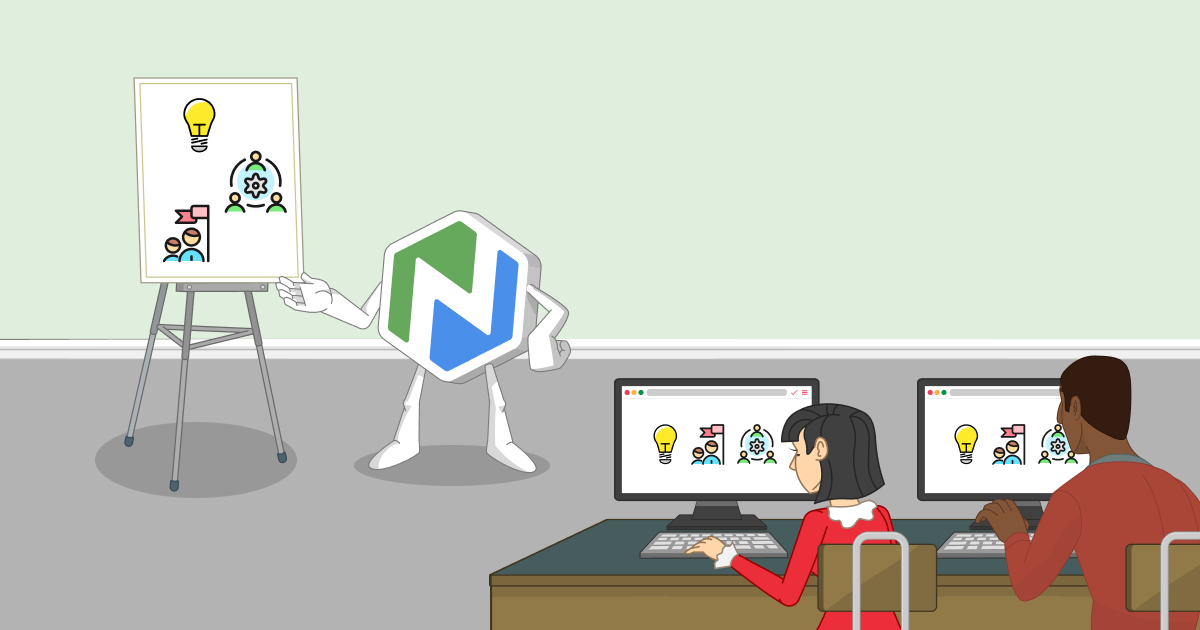
If you're responsible for training others, you probably know how quickly it can become overwhelming. In libraries and nonprofits, training often falls on one person, and that person usually has other responsibilities demanding their attention.
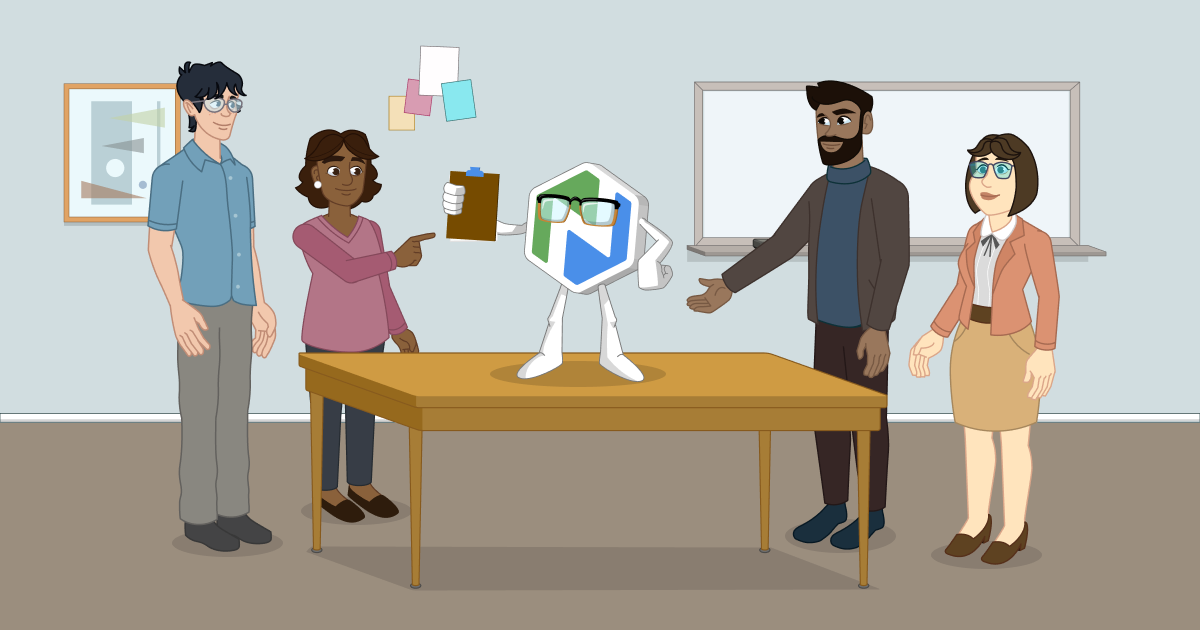
A train-the-trainer approach can help. Instead of relying on one person to teach everyone, you prepare a small group of internal trainers to teach others. When done well, a train-the-trainer program makes learning more consistent and sustainable.
What Is a Train-the-Trainer Program?
A train-the-trainer program is a model where internal staff or volunteers learn how to teach others within your organization.
The CDC describes the Training of Trainers model as a way to "prepare instructors to present information effectively, respond to participant questions, and lead activities that reinforce learning." SHRM puts it more simply: it can "create opportunities for employees to share their expertise with colleagues."
Usually, these trainers already bring something important to the table. They may know a process inside and out, be trusted by colleagues, or be especially good at explaining things. The goal is to help them share what they know well.
For example, a branch supervisor might help train new circulation staff, a program manager might teach volunteers how to respond to sensitive situations, or a docent lead might show new museum volunteers how to engage visitors.
A train-the-trainer program helps distribute both knowledge and responsibility in a way that's far more manageable over time.
When Train-the-Trainer Makes Sense
This model is especially useful when:
- You need to teach the same topics repeatedly.
- You’re onboarding new staff, interns, volunteers, or peer educators regularly.
- Your training needs are specific to your organization’s workflows, policies, or service standards.
- Outside trainers may not fully understand your context.
- Internal trainers can connect the material to real situations your team faces.
How Train-the-Trainer Supports Libraries and Nonprofits
Scale Training With Limited Time and Resources
In many mission-driven organizations, training becomes one more responsibility added to an already full role. A train-the-trainer program spreads that work across a few trusted people, making better use of your team’s limited time and resources. For libraries and nonprofits, that matters because staff capacity is often stretched, schedules can be hard to coordinate, and the same onboarding and retraining needs keep coming up. Instead of starting from scratch each time, you create a more sustainable way to share knowledge across branches, departments, programs, or volunteer groups.
Make Onboarding and Retraining Easier
When turnover is high or schedules are unpredictable, training can feel endless. A train-the-trainer program gives you a repeatable way to onboard people without having to rebuild the process each time. That can be especially helpful for organizations with rotating volunteers or part-time staff who need the same core training but may not all be available at the same time.
Keep Organizational Knowledge From Walking Out the Door
A lot of knowledge in libraries and nonprofits lives in people’s heads. It shows up in how someone handles a difficult conversation, explains a policy to a volunteer, welcomes a first-time visitor, or works through an internal system. When only one person knows how to do those things well, your organization becomes more vulnerable. A train-the-trainer program helps you share that knowledge more intentionally so it stays with the team.
Build Internal Leadership and Confidence
Teaching others helps people grow. Trainers often deepen their own understanding while building communication, facilitation, and leadership skills. As SHRM notes, this kind of model can help employees develop new skills while building ownership and responsibility around training. Over time, that benefits the organization as well by strengthening internal capacity and making knowledge sharing part of the culture.
Create Better Follow-Up for Learners
People often learn best when they can ask questions after formal training ends. Internal trainers can provide that follow-up because they understand the real context of the work, and as SessionLab points out, people often seek advice from colleagues they already know and trust. That matters whether someone is learning how to document an incident correctly, use a spreadsheet for reporting, or respond to a client or visitor with care and confidence.
How to Choose the Right Trainers
The best trainer is not always the person with the most expertise.
Sometimes the strongest trainer is the person who can break down a task, listen carefully, explain things without making others feel self-conscious, and stay calm when someone needs extra help.
As you choose trainers, look for people who:
- know the work well enough to teach it accurately
- communicate clearly
- enjoy helping others
- are respected by colleagues
- can adapt when learners need a different explanation or pace
- are open to feedback and interested in improving
It also helps to frame the role clearly from the beginning. People are more likely to take on the trainer role when they understand they will get support, resources, and time to practice. They need to know you are not simply adding more work to their plate. You are giving them what they need to help the organization teach more effectively. As SHRM advises, it’s important to make sure employees who train others have both the interest and the skills to do it well.
How to Set Your Trainers Up for Success
Subject-matter expertise matters, but it is only part of the job. Trainers also need to know how to teach.
Help Them Understand How Adults Learn
Adult learners want training to feel useful, relevant, and worth their time. They are more likely to engage when the content connects directly to their real work. As eLearning Industry notes, training is most effective when it feels relevant, practical, and meaningful.
That means your trainers should know how to:
- explain why the topic matters
- connect training to real scenarios
- break complex tasks into manageable steps
- invite questions and discussion
- focus on practical application rather than theory alone
They don't need a degree in instructional design. They just need a solid foundation.
Give Them a Clear Structure to Follow
A good trainer should not have to reinvent every session.
Provide materials that make the training easier to deliver consistently, such as:
- session outlines
- facilitator notes
- slide decks
- tutorials or short videos
- handouts and checklists
- discussion prompts
- simple assessments or knowledge checks
This kind of structure helps trainers feel more confident. It also helps learners get a more consistent experience, no matter who is leading the session. As Training Industry explains, trainers need a tailored program to succeed.
Show Them What Good Training Looks Like
Don’t just tell trainers to be engaging. Model it.
Show them what it looks like to lead a session with clear organization, active listening, effective pacing, practical examples, and useful feedback. Review a sample lesson together, let them notice what works, and give them a chance to reflect on what they would want to borrow for their own sessions. As ATD recommends, it’s often more useful to show examples of great teaching in action and ask what stands out, rather than sending people off to read a pile of articles.
Let Them Practice Before They Train Others
Practice matters. Before trainers step in front of a group, give them low-stakes opportunities to rehearse.
They can practice together, run through a short section of content, or facilitate a mock session based on a real scenario. This practice helps them build confidence and gives you a chance to offer feedback before the training goes live.
Stay Available After Launch
Train-the-trainer is not a one-time handoff. It is an ongoing program.
Your trainers will need support along the way. Make space for questions, check-ins, and coaching. Ask what learners are struggling with. Find out what trainers are hearing in the room. Small conversations now can prevent bigger problems later.
Why Standardized Content Matters
Think back to the old telephone game: once a message passes from person to person, it rarely stays the same. Fearless Presentations uses this example to show how easily training can drift as it gets passed along. One trainer emphasizes one point, another skips it, and a third explains the same process in another way. Before long, people are doing the same task differently across teams, branches, departments, or volunteer groups.
That’s why standardized content matters. Trainers should still bring their own voice and personality, but the core message, process, and expectations need to stay aligned. Shared outlines, tutorials, checklists, and facilitator notes help create consistency, which is especially important in libraries and nonprofits where staff and volunteers may learn across locations, roles, or schedules.
Why Blended Learning Can Make This Model Easier to Sustain
Blended learning combines self-paced online learning with live instruction, coaching, or discussion. It offers an effective way to scale training.
You can use self-paced content for the basics, then use live sessions for role-play, coaching, questions, and feedback.
For example, a volunteer might complete online training on phone etiquette, safety expectations, or de-escalation fundamentals before joining a live session led by an internal trainer. The live session can focus on practice, discussion, and situations specific to your organization.
This approach reduces repetition for trainers while protecting the human side of learning.
Common Mistakes to Avoid
Starting Without a Clear Reason
A train-the-trainer program should solve a real problem. Maybe you want to streamline volunteer onboarding, train staff across multiple locations, reduce inconsistency, or preserve knowledge during turnover. Start with that need and build from there.
If the goal is unclear, the program will be too.
Assuming Experts Automatically Know How to Teach
Being great at the work is not the same as being great at teaching it. Even your strongest subject-matter experts need guidance, structure, and practice. As Training Industry notes, expertise alone does not mean someone is ready to train others effectively.
Leaving Trainers Without Enough Support
If trainers do not have clear materials, a point person, or a way to ask questions, they are more likely to feel stuck, and learners are more likely to have an uneven experience.
Failing to Evaluate the Program
You need to know whether the program is working. Are learners gaining the skills they need? Are trainers feeling confident? Are sessions consistent? Are there gaps in the materials? Regular evaluation helps you make improvements before small issues turn into bigger ones.
Start Small and Build From There
You do not need to launch a large program all at once.
In fact, it’s usually better if you don’t.
Start with one audience, one or two topics, and a short pilot period. You might begin with volunteer onboarding, front-desk service expectations, or a common workflow that new staff need to learn quickly.
Then pay attention to what happens.
Are learners getting what they need? Are trainers comfortable in the role? Are the materials clear? What questions keep coming up? What would make the experience easier next time?
Use the answers to these questions to improve the program before you expand it. And once your program is running, keep supporting the trainers themselves. As Training Industry recommends, it’s important to follow up after the initial program and identify whether trainers need additional support.
Final Thoughts
A train-the-trainer program can be a sustainable way for libraries and nonprofits to scale training without placing the entire burden on one person. When you choose the right trainers, give them structure and support, and start with a manageable pilot, you make it much easier to create learning that is consistent, useful, and built to last. You also create more opportunities for people in your organization to share knowledge, build confidence, and help others succeed.
If you'd like more ideas for building better training with limited time and resources, we’d love to stay in touch. Use the form in the website footer to subscribe to Niche Notes, our twice-monthly email newsletter for libraries and nonprofits, where we share helpful tips for training your team like a pro.
.png)

.png)
.png)
.png)

.png)
.png)